Florence, 1987. In a narrow alley behind the Ponte Vecchio, I discovered Giuseppe's shoe repair shop, where leather-aproned artisans worked miracles with hammer and last. The tourists never found this place.
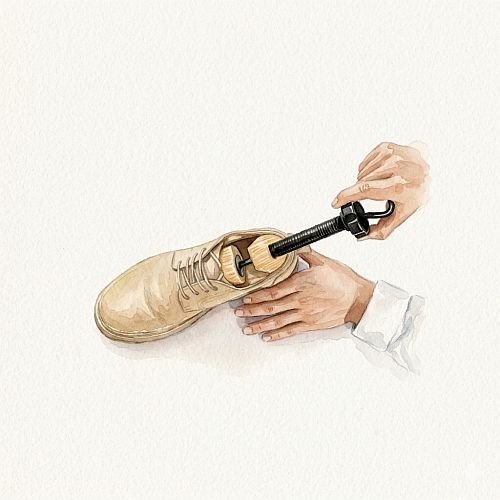
I'd been limping for three days in new Italian boots that seemed determined to reshape my feet rather than accommodate them. Giuseppe's grandson Marco examined my predicament with the gravity of a surgeon, then disappeared into the shop's mysterious depths.
He returned with what looked like a medieval torture device crossed with a piece of fine furniture. "Mio nonno's secret," he whispered, inserting the contraption into my boot. With methodical precision, he adjusted screws and levers while sharing stories of desperate travelers who'd found salvation in that very chair.
Twenty-four hours later, those boots felt like they'd been custom-made for my feet.
The Professional Shoe Stretcher expands width and length gradually using time-tested principles. Made from durable hardwood with precision adjustment mechanisms for a perfect fit every time.
Mile 2,847 somewhere between Irkutsk and Vladivostok. The train car is overheated, the vodka is watered down, and my compartment mate – a former circus bear trainer named Viktor – is explaining why American tourists never survive Russian winters.
"Is problem of preparation," he says, gesturing with his glass of suspicious liquid. "You Americans, you think flask is for cowboys and graduation gifts."
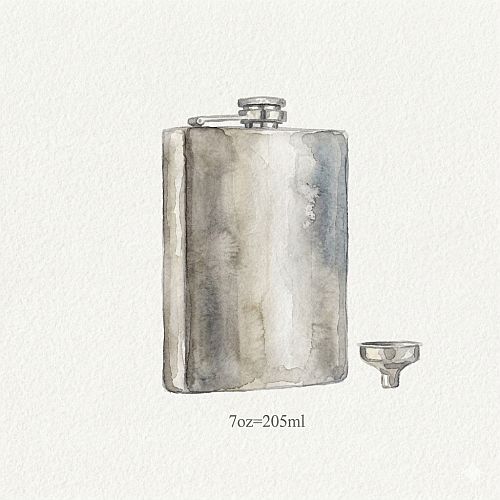
He's not wrong. The pewter monstrosity I'd packed was already denting, leaking amber drops onto my last clean shirt. Meanwhile, Viktor produces a sleek steel flask from his coat – the kind of flask that could survive a Siberian winter, a circus bear, or a 4,000-mile train journey.
"Real flask," he nods approvingly, "saves dignity."
Three hours later, sharing proper bourbon while watching endless snow fields blur past, I understood. Sometimes survival isn't about the elements – it's about maintaining standards when civilization feels very far away.
STAINLESS STEEL HIP FLASK. 7 oz capacity with leak-proof seal and collapsible funnel. Built to outlast your adventures and preserve your dignity.
The conductor's whistle pierced the Vienna station at 11:47 PM. I settled into my narrow sleeper compartment, already dreaming of morning coffee in Wenceslas Square. But dawn brought horror: my expensive shampoo had exploded across everything I owned, turning my leather journal into a sudsy mess and my spare shirts into aromatherapy experiments gone wrong.
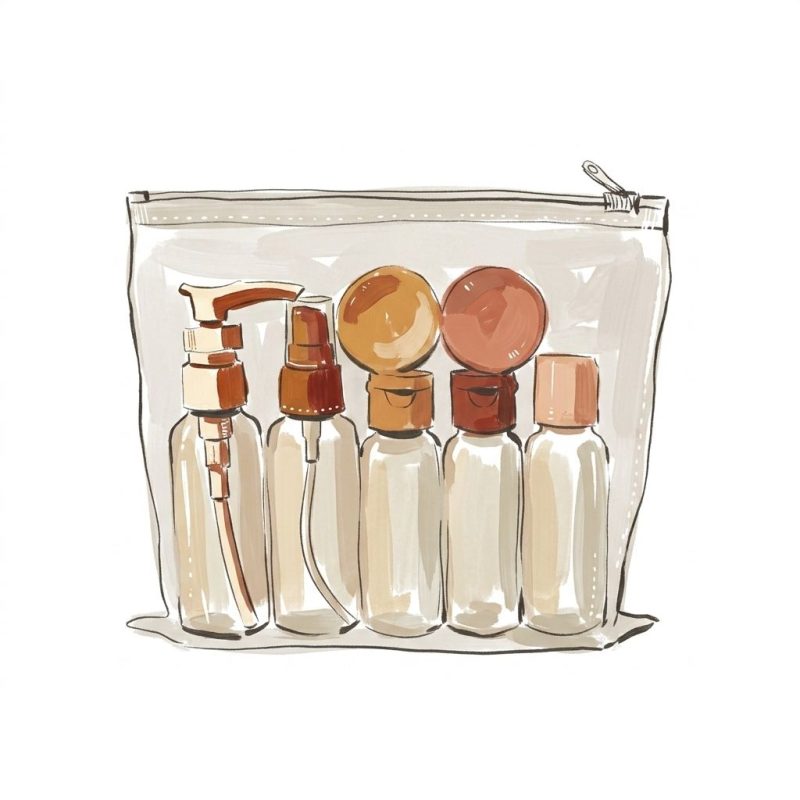
That's when I spotted them in the tiny compartment sink of a seasoned traveler across the corridor. Seven pristine white bottles, each no bigger than a perfume sample, lined up like disciplined soldiers. "Never travel with the original containers," she said with a knowing smile. "These little beauties have crossed continents with me. Bombay to Buenos Aires, never a leak."
She was right. Those small vessels had mastered what my fancy bottles could not: the art of staying closed when it mattered most.
The 7-piece Travel Bottle Set: seven leak-proof containers that transform your toiletries into travel-ready allies. Because the best adventures shouldn't smell like a beauty supply store explosion.
I’ve been using this product for a few weeks now and I’m really pleased with it. The build quality is solid, it works exactly as described, and the price feels fair. It’s perfect for everyday use and I’m happy to recommend it to customers.
I’ve been using this product for a few weeks now and I’m really pleased with it. The build quality is solid, it works exactly as described, and the price feels fair. It’s perfect for everyday use and I’m happy to recommend it to customers.
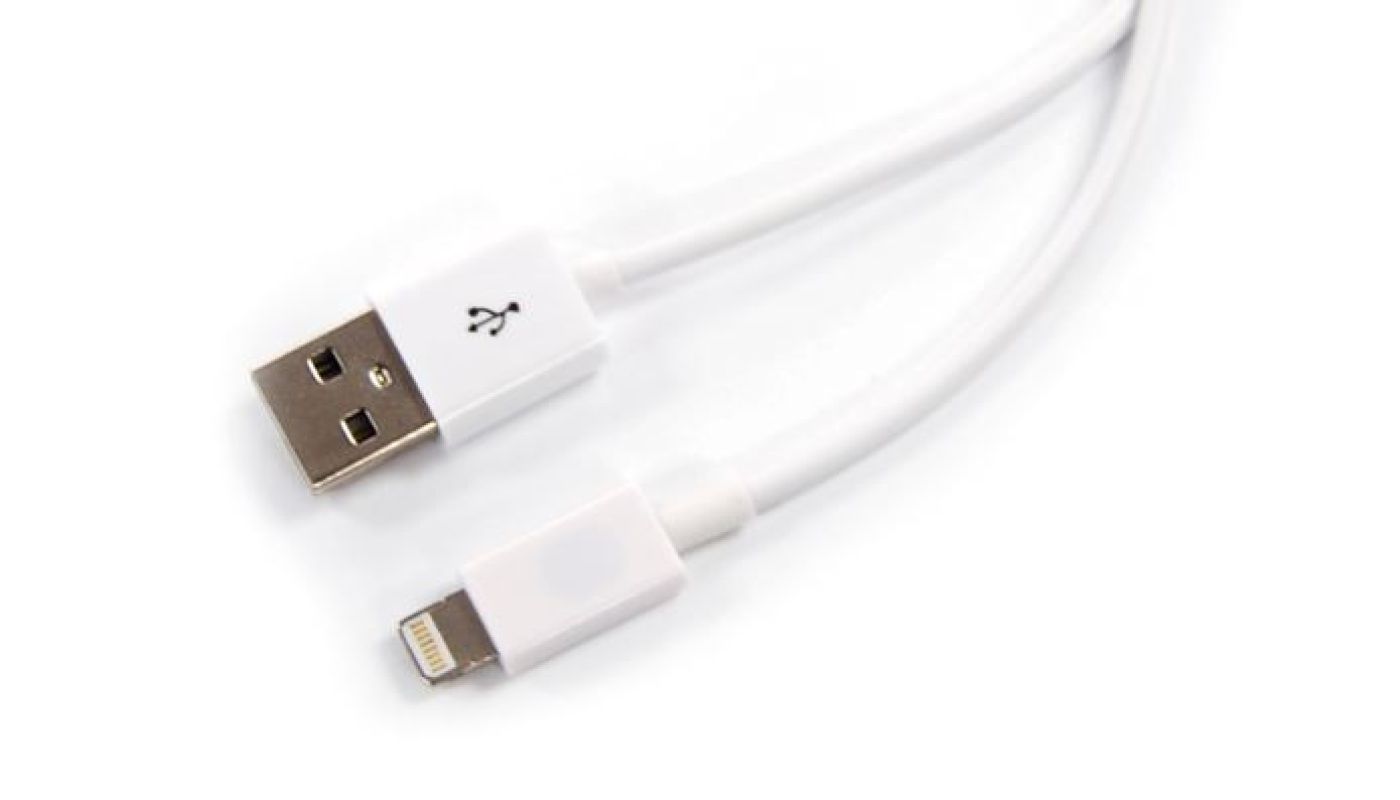
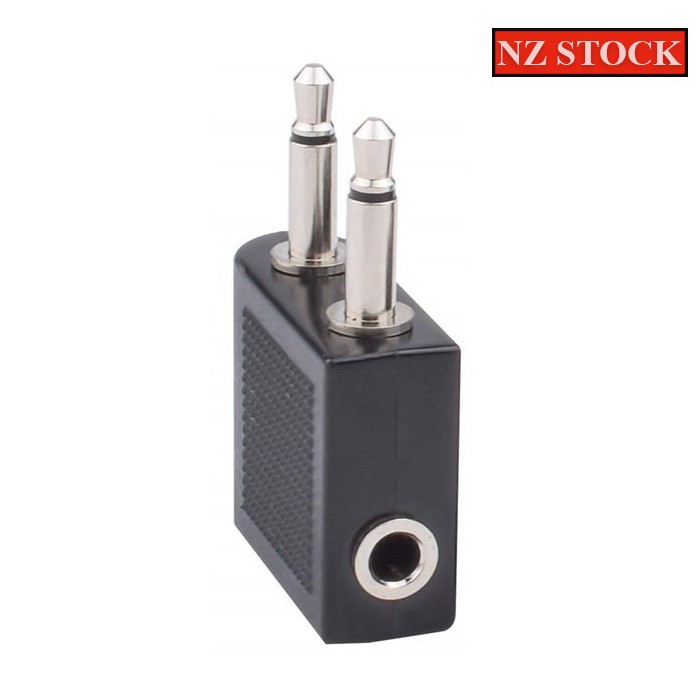
A 3.5mm airline ear headphones jack adapter is a useful travel accessory that allows you to use your own headphones with in-flight entertainment systems. Many airplanes have a dual-prong (two-pin) headphone jack instead of the standard 3.5mm single jack, which can make it difficult to plug in regular headphones.
✅ Better Sound Quality – Airline-provided headphones are often low-quality; using your own can enhance audio clarity and noise isolation. ✅ Comfort & Familiarity – Your own headphones are likely more comfortable and suited to your preferences. ✅ Cost-Saving – Avoid paying for disposable airline headphones or premium in-flight headset rentals. ✅ Hygiene – Shared airline headphones may not always be clean; using your own is more sanitary. ✅ Universal Compatibility – Some adapters work with older airline systems that still use dual-prong jacks.
Uses:
🎧 In-Flight Entertainment – Watch movies, listen to music, or enjoy podcasts with your own headphones. ✈️ Travel Convenience – Small and lightweight, it fits easily into a travel bag. 🔊 Works with Various Airlines – Different airlines may have different audio jacks, and an adapter ensures compatibility.
The bandanna, a square piece of cloth typically worn around the head or neck, has a history that dates back thousands of years. Its origins can be traced to ancient civilizations where textiles were used not only for functional purposes but also as a means of expression and identity. Early versions of the bandanna can be seen in cultures across South Asia, the Middle East, and the Americas, where dyed and printed cloths were used as decorative and protective garments.
One of the earliest inspirations for the modern bandanna comes from India, where finely crafted and intricately dyed textiles, using a technique known as resist dyeing, were produced. These colorful, patterned fabrics caught the attention of European traders in the 17th century, particularly the British, who imported them in large quantities. The name “bandanna” itself is derived from the Hindi word bandhna, meaning “to tie,” referring to the traditional tie-dye technique used to create the fabric’s distinctive patterns.
Introduction to the Western World
During the 18th century, the popularity of bandannas spread to Europe and the Americas. In the United States, bandannas became widely recognized through their association with political and cultural figures. One of the earliest recorded uses of a bandanna in American history comes from the late 1700s when Martha Washington commissioned a printed bandanna featuring an image of George Washington to promote the Revolutionary cause. This use of bandannas as a medium for political messaging and cultural identity continued throughout history.
Industrialization and Mass Production
With the rise of the textile industry in the 19th century, bandannas became more accessible due to advancements in fabric production and dyeing techniques. The Industrial Revolution enabled large-scale manufacturing, making the bandanna a common item among workers, cowboys, and soldiers. In the American West, bandannas became an essential part of cowboy attire, serving both practical and stylistic purposes. Cowboys used bandannas to protect their faces from dust and sun exposure, and they often featured paisley designs, a pattern with Persian origins that had gained popularity in European and American fashion.
Similarly, bandannas played a role in labor movements and military history. During World War II, Rosie the Riveter’s iconic red polka-dot bandanna symbolized the contributions of women to the workforce. Meanwhile, soldiers and sailors often carried bandannas for practical uses such as first-aid bandages, sweat-wiping, and signaling.
Cultural Symbolism and Fashion Evolution
By the mid-20th century, the bandanna had evolved beyond its functional roots into a powerful cultural symbol. The 1960s and 1970s saw bandannas embraced by countercultural movements, including hippies and rock musicians. Figures like Jimi Hendrix and Bruce Springsteen incorporated bandannas into their signature looks, reinforcing their association with rebellion and nonconformity.
In the late 20th and early 21st centuries, bandannas became prominent in urban and hip-hop fashion, with various colors and styles signifying affiliations within different subcultures. Despite some controversies regarding their use in gang symbolism, bandannas remained a versatile and widely embraced accessory in mainstream fashion. Designers began incorporating high-end materials and prints, elevating the bandanna from a simple cotton cloth to a luxury fashion statement.
Modern Day and Legacy
Today, the bandanna continues to be a staple accessory across diverse cultures and fashion trends. It remains popular in outdoor and athletic wear, used by bikers, runners, and adventurers for its practicality. The COVID-19 pandemic saw a resurgence in the use of bandannas as makeshift face coverings, further demonstrating their adaptability.
From its origins in ancient textile traditions to its role in historical movements, popular culture, and fashion, the bandanna has evolved into a timeless and universal accessory. Its enduring presence speaks to its unique combination of function, style, and cultural significance, ensuring its continued relevance in the years to come.
Body Self-Measuring Tapes: A Handy Tool for Fitness and Tailoring
A body self-measuring tape is a flexible, retractable tape designed for accurately measuring body dimensions. Commonly used in fitness tracking, tailoring, and health assessments, it allows individuals to measure key body parts like the waist, hips, chest, arms, and legs with ease.
The Evolution of the Bamboo Toothbrush: A Sustainable Revolution
The Initial Problem: A World Drowning in Plastic
In the late 20th and early 21st centuries, the world faced a growing environmental crisis—plastic waste. Traditional toothbrushes, primarily made from plastic, contributed significantly to this issue. With billions of toothbrushes discarded each year, the need for a sustainable alternative became apparent. As awareness of climate change and ocean pollution increased, consumers and innovators alike sought ways to reduce plastic consumption.
The concept of a bamboo toothbrush emerged as an eco-conscious response to plastic waste. Bamboo, a fast-growing and biodegradable material, provided an ideal substitute for plastic handles. Historically, bamboo had been used in various cultures for hygiene purposes, with ancient Chinese civilizations utilizing bamboo-based tools. However, it wasn’t until the early 2000s that modern manufacturers seriously considered it as a viable material for toothbrush production.
Early Prototypes and Challenges
The earliest prototypes of bamboo toothbrushes struggled with durability and consumer perception. Initially, the bristles were made from nylon, which, although effective for cleaning teeth, was not fully biodegradable. Some companies experimented with boar hair bristles as a natural alternative, but these proved unpopular due to ethical concerns and texture issues.
Manufacturers also faced challenges with mold and bacterial growth due to bamboo’s natural properties. To overcome this, companies developed various treatment processes, including heat treatment and biodegradable coatings, to enhance longevity while maintaining sustainability.
Key Innovators and Market Growth
The rise of eco-conscious startups in the 2010s propelled the bamboo toothbrush into the mainstream. Companies like Brush with Bamboo, The Humble Co., and Bite played significant roles in popularizing the product. Brush with Bamboo, founded in California, was among the first to market a fully compostable bamboo toothbrush. Meanwhile, The Humble Co., a Swedish brand, took a global approach, working with dental professionals to ensure functionality matched sustainability.
The market growth was further supported by endorsements from environmental organizations and celebrities advocating for sustainable living. Partnerships with zero-waste stores and online marketplaces specializing in green products helped expand distribution channels, making bamboo toothbrushes widely accessible.
Breakthroughs and Design Improvements
Over time, manufacturers refined their designs to enhance user experience. Some significant improvements included:
Ergonomic Handles: Early models were simple cylindrical shapes, but newer designs incorporated contoured grips for comfort.
Biodegradable Bristles: In response to concerns over nylon bristles, companies developed plant-based bristle alternatives, such as castor bean oil-derived materials.
Customizable Options: Brands introduced various bristle strengths (soft, medium, firm) and even charcoal-infused bristles for enhanced cleaning.
One of the most notable milestones came in 2019 when a patent was filed for a fully biodegradable toothbrush, including bristles made from corn and bamboo fibers. This innovation signaled a shift toward completely sustainable oral hygiene products.
Challenges and Competitive Landscape
Despite their environmental benefits, bamboo toothbrushes faced competition from electric toothbrushes and skepticism regarding their effectiveness. Additionally, higher production costs compared to plastic toothbrushes initially made them less accessible to lower-income consumers. However, increased demand and economies of scale gradually reduced prices, making them more affordable.
Another challenge was the greenwashing phenomenon, where some companies falsely marketed their toothbrushes as fully biodegradable despite still using synthetic bristles. This led to consumer confusion and a push for stricter regulations and certifications to ensure product authenticity.
Industry Recognition and Widespread Adoption
By the early 2020s, bamboo toothbrushes had gained widespread industry recognition. Major retailers, including supermarkets and pharmacies, began stocking them alongside traditional toothbrushes. Dental associations acknowledged their effectiveness, and eco-certifications from organizations like FSC (Forest Stewardship Council) provided credibility.
Some governments and municipalities even encouraged bamboo toothbrush adoption as part of broader plastic reduction initiatives. Schools and corporate sustainability programs also began distributing them as educational tools to promote environmentally responsible habits.
Impact and Future Innovations
The rise of the bamboo toothbrush catalyzed broader changes in the oral care industry. Many mainstream brands, including Colgate and Oral-B, launched their own bamboo toothbrush lines, demonstrating a shift toward sustainability.
Looking ahead, future innovations may include:
Self-cleaning bamboo toothbrushes with antibacterial properties.
Refillable toothbrush heads to further reduce waste.
Enhanced biodegradability through new plant-based materials.
Conclusion: A Small Change with a Big Impact
While a single bamboo toothbrush may seem like a minor shift, its widespread adoption signifies a broader movement toward sustainable consumer habits. By challenging the dominance of plastic in oral care, the bamboo toothbrush has paved the way for innovation and environmental responsibility in everyday products. As sustainability becomes increasingly important, the evolution of the bamboo toothbrush serves as a testament to how small changes can drive global impact.